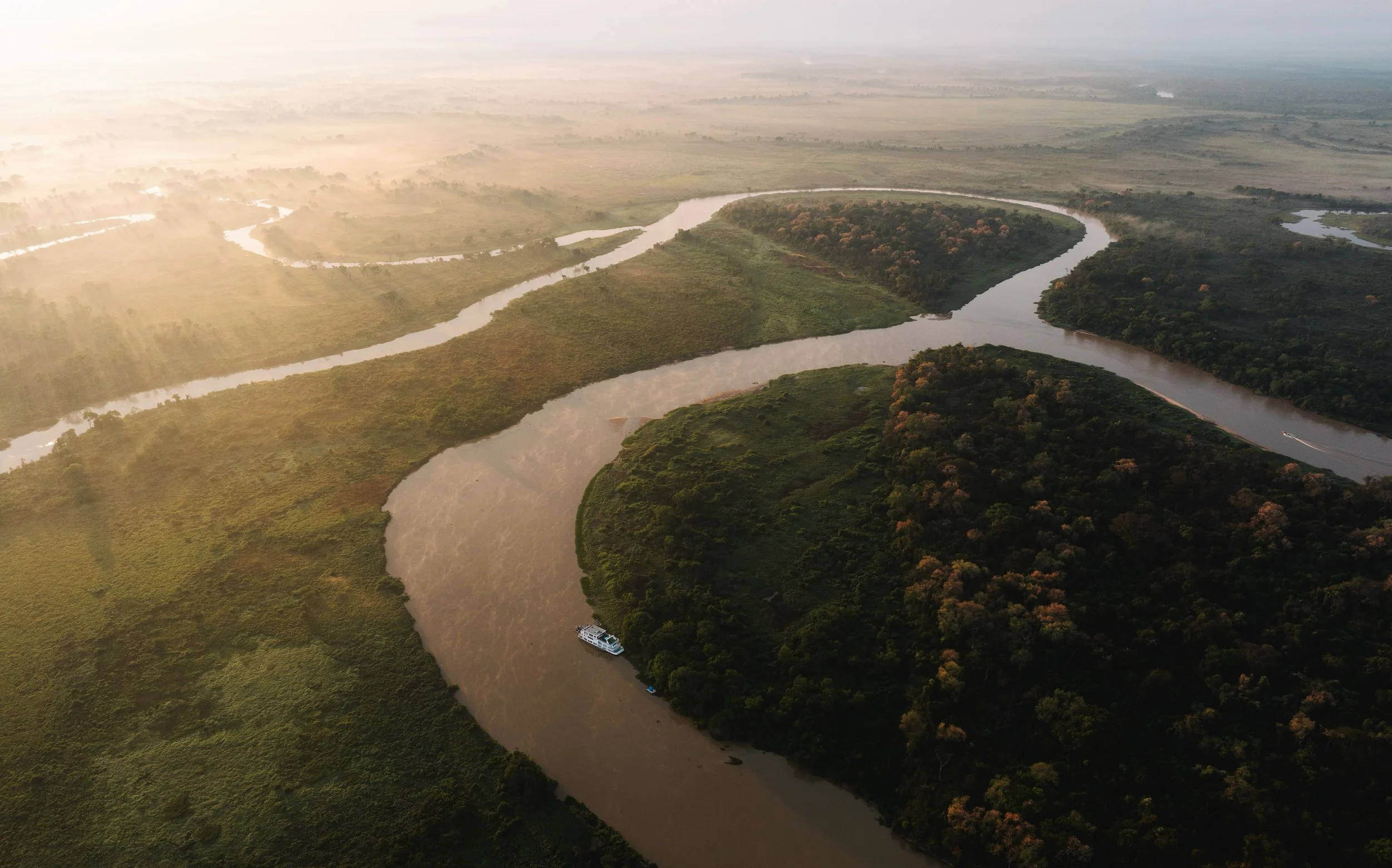
Umbigo do Pantanal
A 16-minute documentary I filmed in Mato Grosso, Brazil, as part of my senior thesis in Environmental Studies at Dartmouth College. The film follows Sandro Sebastião Godofredo, a sixth-generation Pantaneiro cattle rancher transitioning his 130,000-hectare property toward ecosystem-based ecotourism in the world's largest tropical wetland. Shot over six days of fieldwork, the project combines a sit-down interview with handheld and drone b-roll to capture both the landscape and the people whose lives are tied to it. Through Sandro's story, the film explores conservation in a changing Pantanal, making the case that protecting the whole ecosystem matters more than focusing on a single flagship species like the jaguar. My broader argument is that documentary filmmaking can reach audiences and convey environmental complexity in ways academic writing alone cannot.
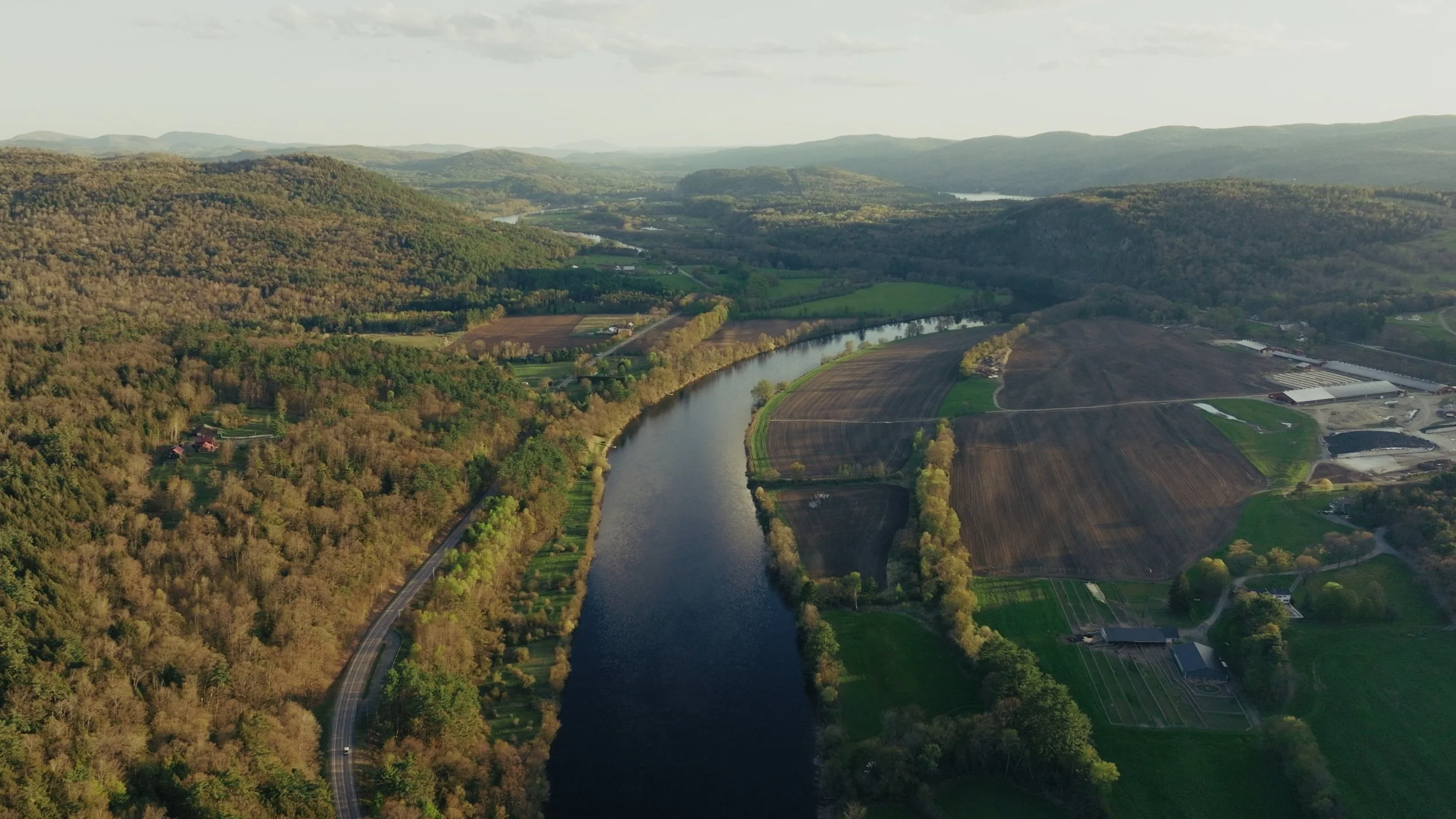
Farming for a Resilient Watershed
A short documentary I helped produce in partnership with the Connecticut River Watershed Farmers Alliance (CRWFA) as part of my senior capstone project for the Climate Science Minor. The film follows farmers across the upper Connecticut River Valley as they adapt to a changing climate through practical, on-the-ground water management, organized around the principle of slowing, spreading, and sinking water across the land. Combining sit-down interviews with farmers and educators alongside b-roll of their fields and floodplains, the project captures why farms sit at the heart of watershed resilience: they occupy floodplains, depend on the weather, and shape how water moves through the land.
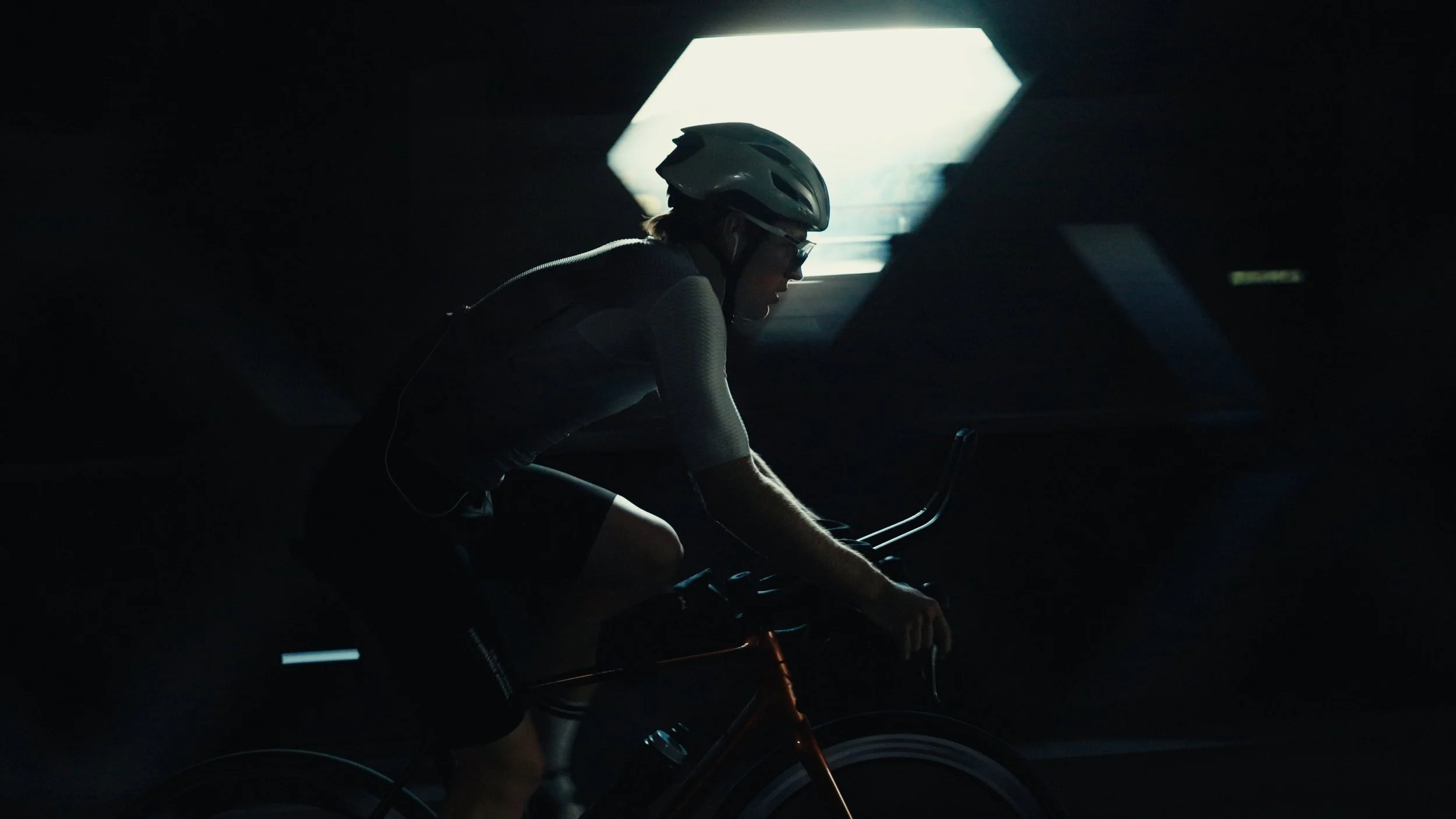
Bond Almand
Dartmouth student spotlight video featuring my good friend and world record cyclist Bond. I filmed this project for Dartmouth College using a combination of handheld and drone b-roll combined with a sit down interview. Bond holds the record as the fastest person to cycle the Pan-American highway from Alaska to Argentina—only 75 days!
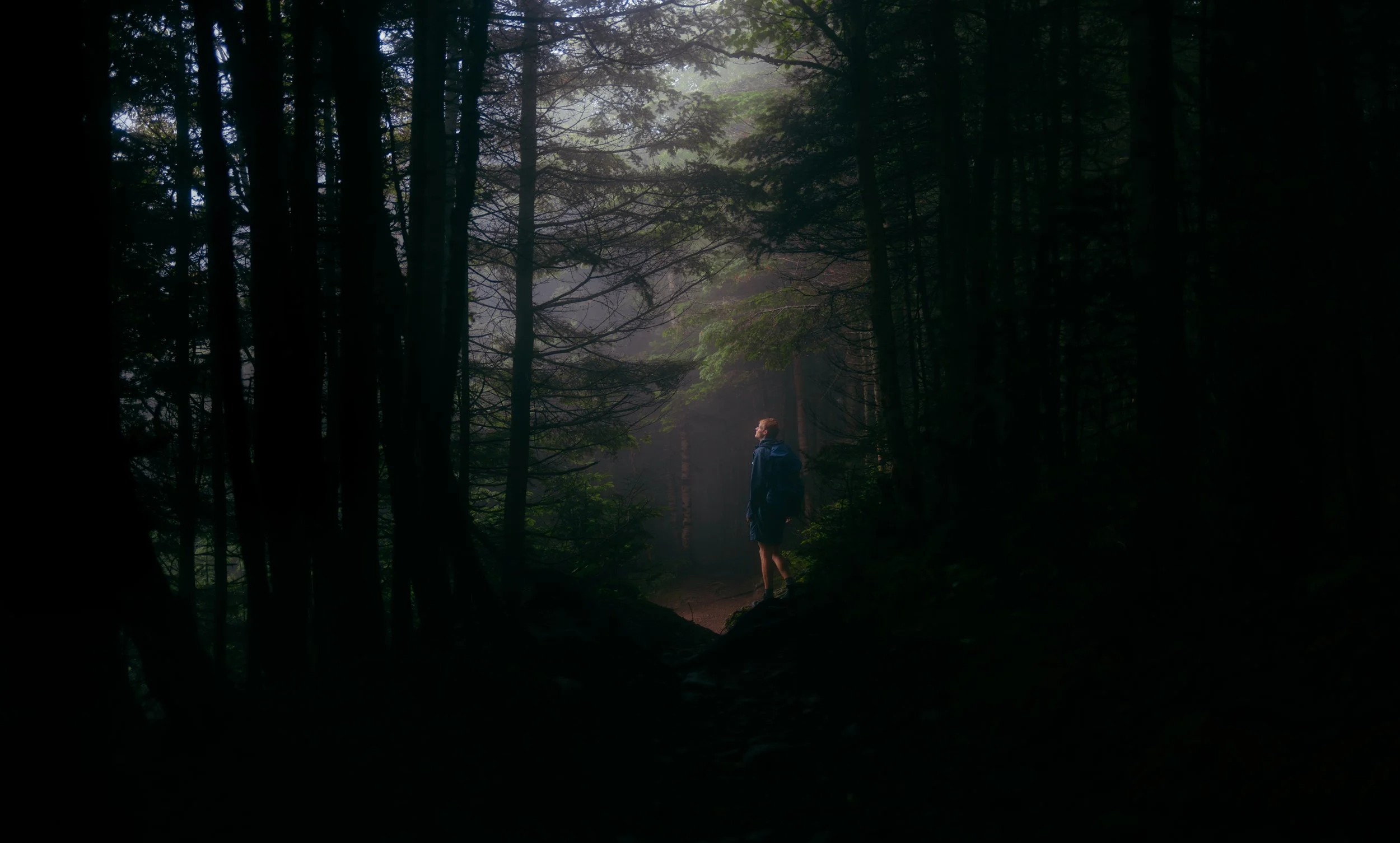
I spent the summer of 2025 living at the Moosilauke Ravine Lodge and hiking Mt. Moosilauke every day as the Alpine Steward. This role featured extensive photography, filmmaking, and drone work used to document alpine ecosystems, trail conditions, and long-term landscape change. I used visual media alongside field research and stewardship to communicate the fragility and beauty of the alpine zone, creating short films, photo point monitoring comparisons, and educational content for public outreach. Through this work, I combined conservation, science, and storytelling to help foster appreciation for Mt. Moosilauke and support its long-term protection.
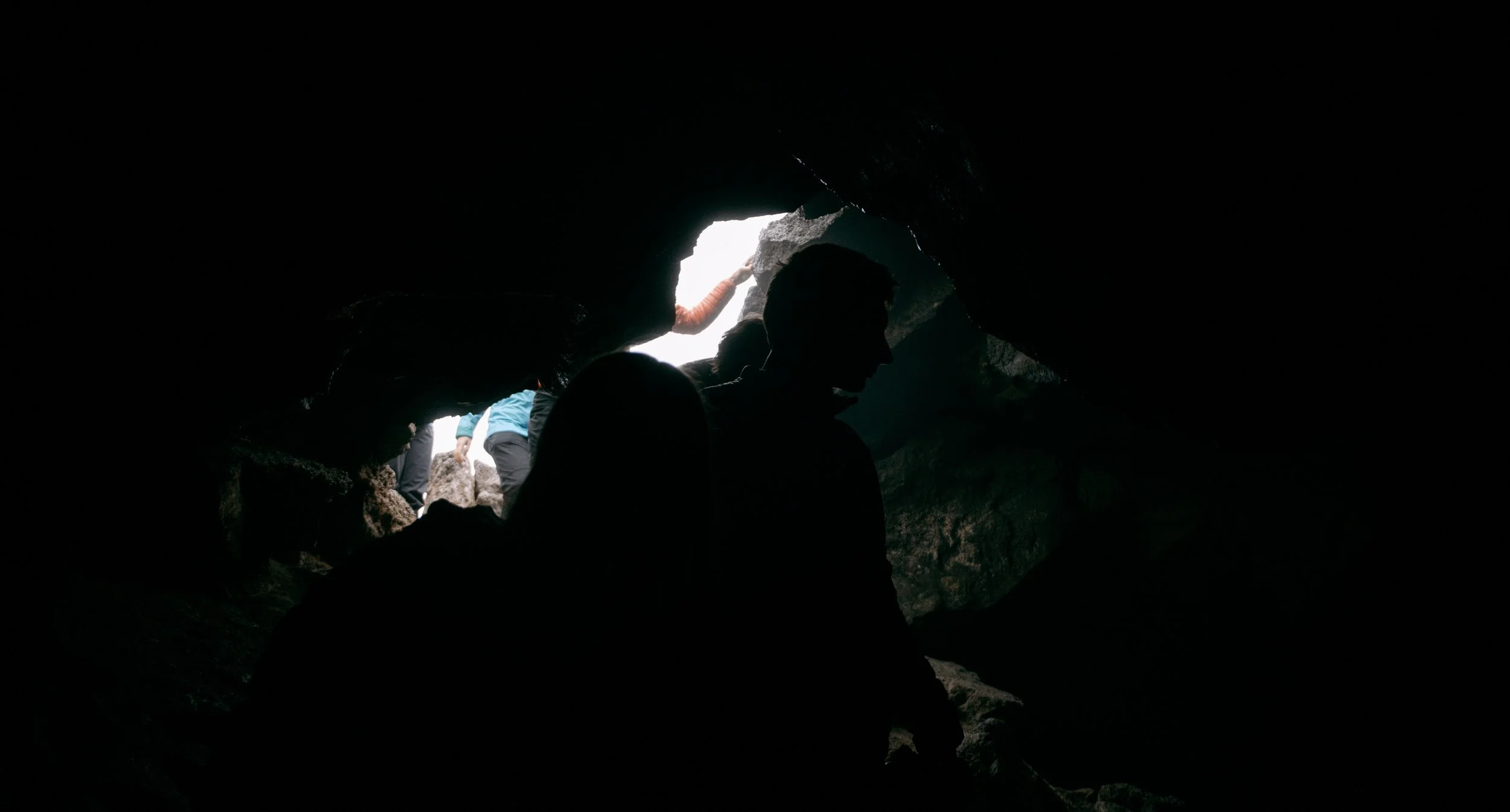
Arctic Sustainability Immersion
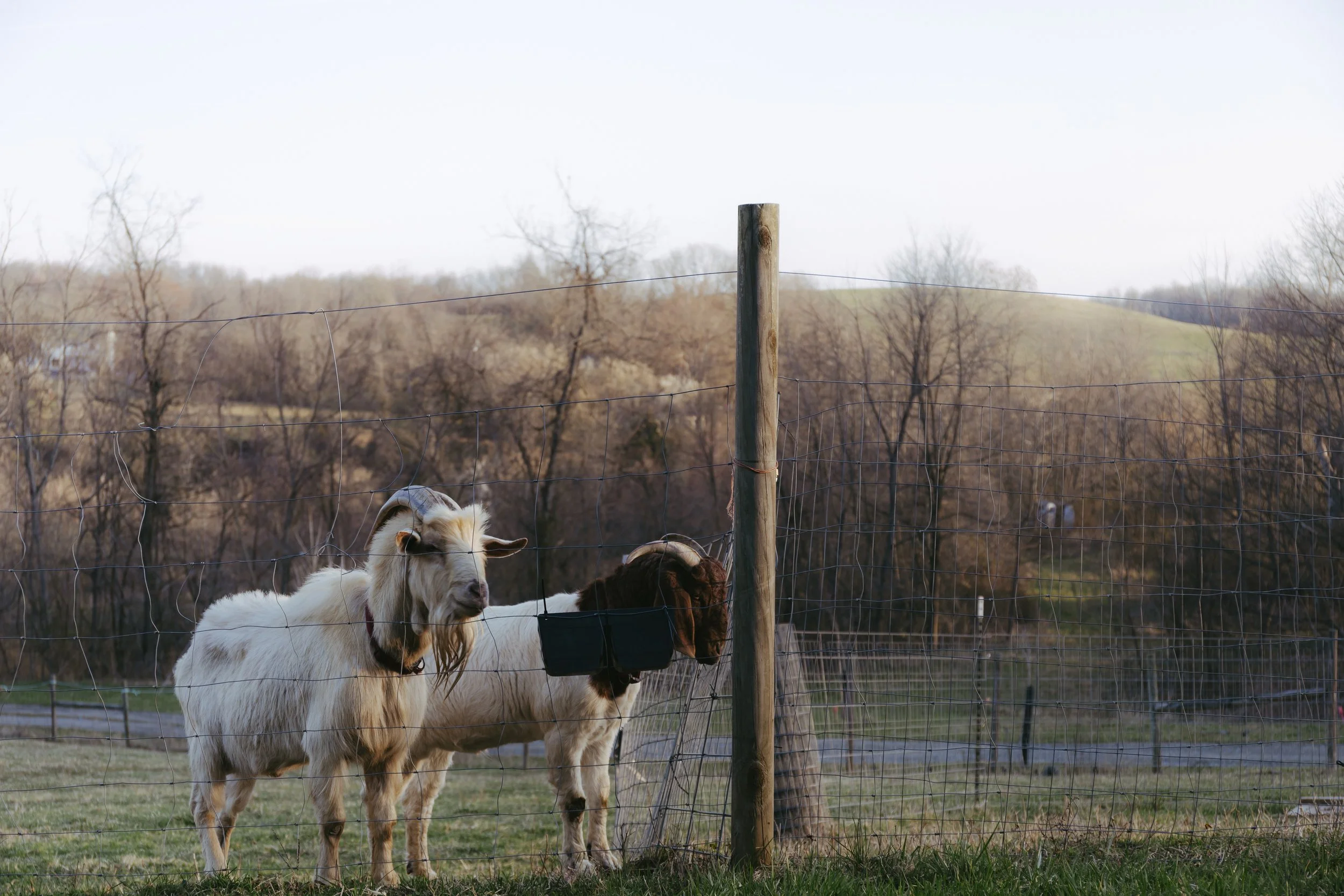
Appalachia Energy Immersion